


Rape of A Nation
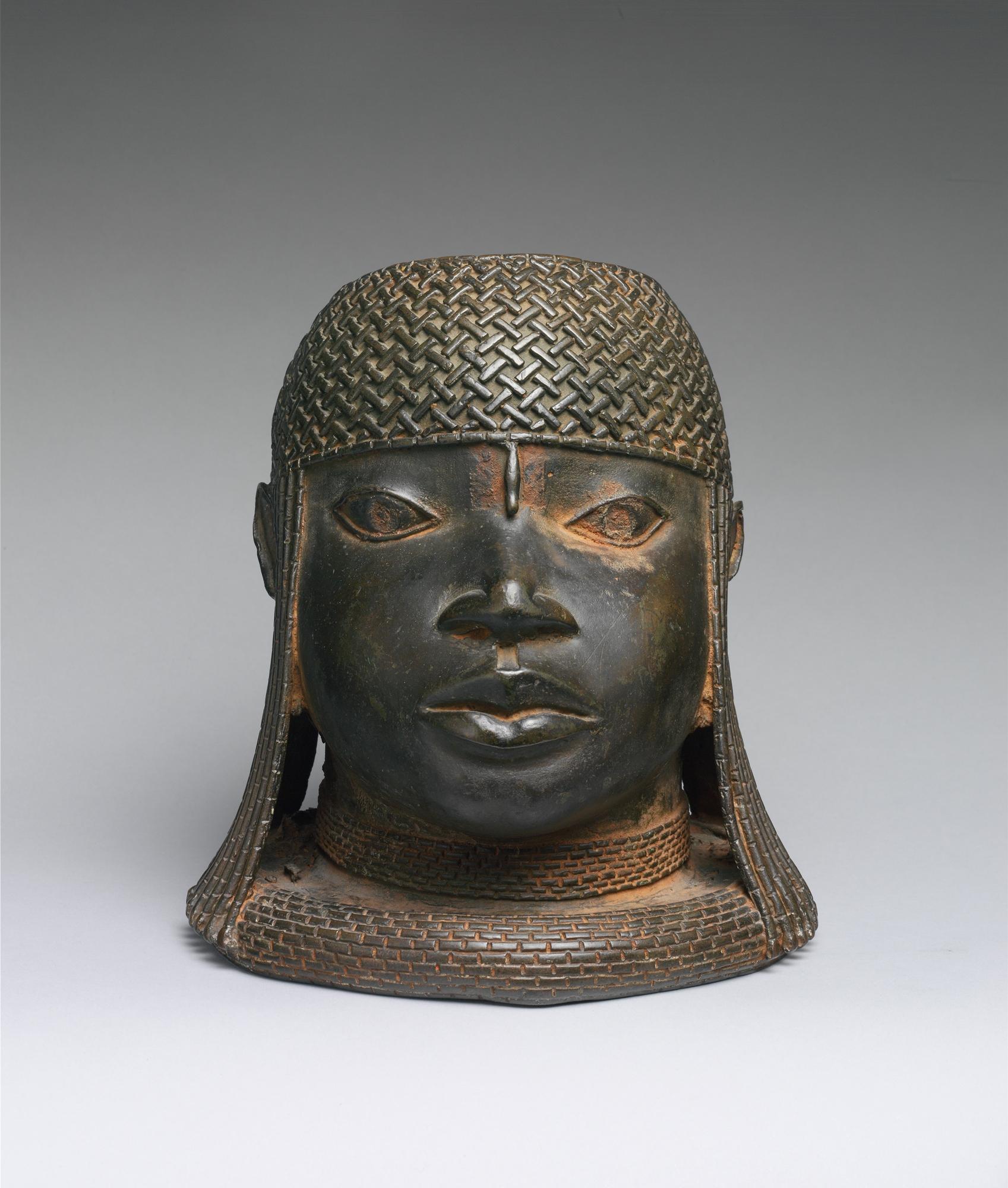
In 1897, the British "Punitive Expedition" looted an estimated 3,000 to 5,000 artifacts from the Kingdom of Benin (modern-day Nigeria). At the time, the British did not "buy" these items; they were seized as "spoils of war" to offset the costs of the military campaign.
Once the art reached London, it was sold through various channels, and its financial "value" has skyrocketed over the last century.
Historical Sale Prices (Post-Looting)
After the loot arrived in England, many pieces were sold by the British Foreign Office and individual soldiers to museums and private collectors:
Late 1890s: The British Museum petitioned for and received hundreds of plaques as donations, while others were sold to German museums for relatively small amounts.
1950s: The British Museum sold off some of its "duplicate" Benin Bronzes for as little as £200 to £800 ($250–$1,000).
1953: A Benin head sold at auction for roughly £5,500 ($15,000).
Modern Market Value
Today, these artifacts are among the most expensive pieces of African art in the world:
The "Ohly Head": Sold at auction in 2016 for £10 million ($13.5 million).
Sotheby’s 2007 Sale: A bronze head of an Oba (King) sold for $4.7 million.
Estimates: Major museum pieces, such as those in the British Museum or Berlin’s Ethnological Museum, are considered priceless, but individual valuations for restitution purposes often exceed $1 million to $10 million per significant piece.
Current Status of the Art
It is important to note that the market for these items has shifted. Because they are now widely recognized as stolen property, many major auction houses are hesitant to sell them due to ethical concerns and legal pressure for restitution.

 Arabic
 French
 Spanish
 Portuguese
 Deutsch
 Turkish
 Dutch
Dutch
 Italiano
 Russian
 Romaian
 Portuguese (Brazil)
 Greek
Greek